

Updated October 2026
There is no single right way to handle gray hair. You can cover it fully, blend it softly or brighten it so it looks intentional. The best choice depends on how much gray you have, how often you want to visit the salon and the look you love.
This guide walks you through the main gray coverage options, how long each one lasts and how to choose. It is written by the color team at Capelli Salon in Dallas, Frisco and Austin.
Your Main Gray Coverage Options
| Option | Best for | What to expect |
|---|---|---|
| Permanent color | Full coverage, any amount of gray | Covers gray completely. Regrowth shows as it grows. |
| Demi-permanent color | A little gray, a softer look | Blends gray and fades gradually, so roots are softer. |
| Gray blending | Clients who want low upkeep | Softens the contrast, so gray mixes in naturally. |
| Highlights or lowlights | Up to about half gray | Adds dimension that hides gray and regrowth. |
| Embracing your gray | Clients ready to go natural | Gloss, toner and a great cut make silver shine. |
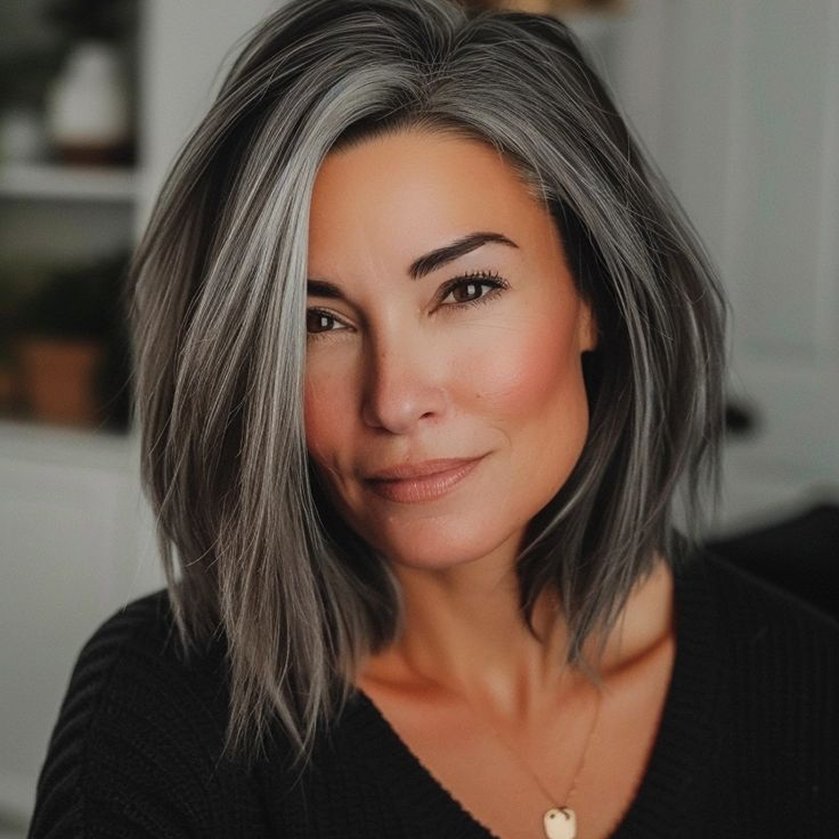
Permanent Color: Full Coverage
Permanent color is the most complete way to cover gray. It lasts until your hair grows out, so you will need root touch-ups as new hair comes in. Most clients book them every 4 to 6 weeks.
Gray hair is often coarser than the rest of your hair, so it can resist color. A colorist adjusts the formula and timing so gray takes the color evenly. Matrix notes that the right formula depends on how much of your hair is gray.
Demi-Permanent Color: Soft Blending
Demi-permanent color is sheer. It blends gray instead of hiding it completely, and it fades slowly over several weeks. Because it fades softly, you do not get a sharp regrowth line. It is a great choice when you only have a little gray at the part or temples.
Gray Blending: Lower Upkeep
Gray blending uses a mix of techniques, such as fine highlights, lowlights and demi color, to soften the contrast between gray and your natural shade. The goal is not to hide every gray hair. It is to make them look like natural brightness.
Gray blending is popular with clients who are tired of frequent root touch-ups. As your hair grows, the line is much softer. Learn more about balayage vs highlights.
Highlights and Lowlights
Highlights add brightness around your gray, so it blends in. Lowlights add depth back into hair that has gone very light. Together, they create dimension that makes gray and regrowth much less obvious.

Going Gray Gracefully
Many clients choose to stop covering their gray. A colorist can help you grow out color with less of a harsh line, using blending and lowlights along the way. Once you are fully gray, a gloss or toner keeps silver hair bright instead of yellow. Read toner vs gloss to see how each one helps.
How to Choose the Right Option
- Under a quarter gray: demi-permanent color or a gloss often works well.
- About a quarter to half gray: blending, highlights or lowlights hide gray with less upkeep.
- Half gray or more: permanent color gives the most even coverage.
- Want fewer salon visits: choose blending over solid, all-over color.
- Ready to go natural: ask about a grow-out plan.
Caring for Gray or Color-Treated Hair
- Use a sulfate-free, color-safe shampoo.
- Use a purple shampoo now and then to keep silver hair from turning yellow.
- Use a heat protectant, because heat can yellow gray hair.
- Condition well, since gray hair often feels dry or wiry.
Thinking about coloring at home? Make sure your products are fresh. Read whether hair dye expires, and see our guide on what salon color costs.
Gray Coverage at Capelli Salon
Our colorists offer gray coverage, root touch-ups, and highlights and lowlights that help blend gray. We start with a free consultation to see how much gray you have and the look you want. Explore our hair color services in Dallas, or visit us in North Dallas, Frisco or Austin.
Frequently Asked Questions
What is the best way to cover gray hair?
Permanent color gives the most complete coverage. If you want lower upkeep, gray blending, highlights or demi-permanent color soften gray without a sharp regrowth line.
How often do I need a root touch-up for gray hair?
Most clients with permanent color book a root touch-up every 4 to 6 weeks. Blending usually stretches the time between visits.
What is gray blending?
Gray blending uses highlights, lowlights or demi color to soften the contrast between gray and your natural color, so gray looks like natural brightness.
Does demi-permanent color cover gray?
It blends gray rather than covering it fully. It works best when you have a small amount of gray.
Why is gray hair hard to color?
Gray hair is often coarser and can resist color. A colorist adjusts the formula and timing so it takes the color evenly.
Can I stop coloring and go gray?
Yes. A colorist can plan a grow-out with blending and lowlights, so the change looks softer while your natural gray grows in.
Related reading: How to choose a hair color · Toner vs gloss · Balayage vs highlights

